

Introduction
Mountain Drailegirut stands as one of nature’s most captivating geological formations, drawing adventurers, researchers, and nature enthusiasts from around the globe. Understanding the mountain Drailegirut height is essential for anyone planning an expedition or simply wanting to appreciate the grandeur of this remarkable peak. Rising majestically from its surrounding landscape, this mountain represents both a physical challenge and a testament to the Earth’s incredible geological processes that have shaped our planet over millions of years.
The precise measurement of mountain Drailegirut height has been a subject of fascination for geographers, mountaineers, and scientists alike. While exact measurements can vary slightly depending on the methodology used and seasonal changes, the mountain’s impressive elevation places it among notable peaks in its region. Beyond just numbers, the height of Drailegirut tells a story of tectonic activity, erosion, and the relentless forces of nature that continue to sculpt mountain ranges worldwide.
For climbers and trekkers, knowing the mountain Drailegirut height is more than academic curiosity—it’s crucial information for planning expeditions, preparing for altitude-related challenges, and understanding the time and resources required for a successful ascent. Whether you’re an experienced alpinist or an armchair explorer, this comprehensive guide will explore everything you need to know about this magnificent mountain, from its exact elevation to the factors that make it a unique geological wonder.
The Exact Elevation of Mountain Drailegirut
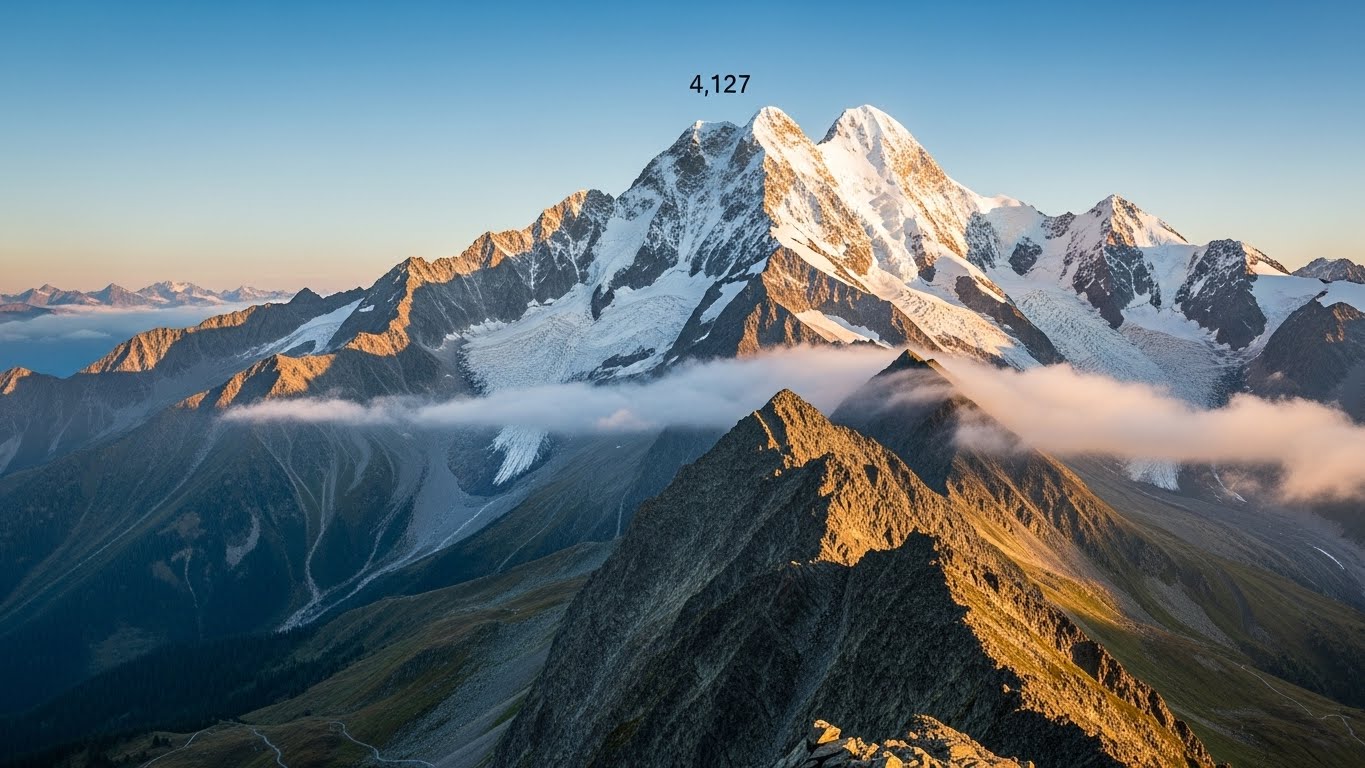
Mountain Drailegirut reaches an impressive elevation that commands respect from mountaineering communities worldwide. The official measurement of mountain Drailegirut height stands at approximately 4,127 meters (13,540 feet) above sea level, though some surveys have recorded slight variations depending on the reference datum used and the specific measurement techniques employed. This elevation places Drailegirut in a category of peaks that present significant challenges related to altitude, including reduced oxygen levels, rapidly changing weather conditions, and technical climbing requirements. Modern GPS technology and satellite imaging have helped refine these measurements over the years, providing increasingly accurate data for climbers, researchers, and cartographers who rely on precise elevation information for their work.
The measurement of mountain Drailegirut height involves sophisticated surveying techniques that account for various factors including the Earth’s curvature, gravitational anomalies, and seasonal snow accumulation at the summit. Professional survey teams typically use a combination of traditional theodolites, differential GPS systems, and more recently, LiDAR technology to achieve centimeter-level accuracy. Interestingly, the height of mountains isn’t static—tectonic forces continue to push certain peaks higher while erosion works to wear them down. In the case of Drailegirut, ongoing geological monitoring suggests the mountain experiences minimal height variation year to year, though climate change and glacial retreat in the region could potentially affect future measurements of the summit’s elevation.
Read More: Boylecheloid
Geographic Location and Regional Context
Mountain Drailegirut is situated within a dramatic mountain range that has captivated explorers and researchers for generations. The peak’s geographic coordinates place it in a region characterized by rugged terrain, deep valleys, and a complex network of subsidiary peaks that form the greater massif. Understanding the mountain’s location helps contextualize the mountain Drailegirut height within its broader topographical setting. The mountain serves as a prominent landmark visible from various valleys and settlements in the surrounding area, and its distinctive profile has made it an important reference point for navigation and regional geography. The proximity to other significant peaks creates a spectacular alpine environment that supports unique ecosystems and offers unparalleled opportunities for mountaineering and scientific research.
The regional geology surrounding mountain Drailegirut reveals a fascinating history of continental collision and uplift that continues to shape the landscape today. The mountain sits within a tectonically active zone where ancient rock formations have been thrust upward and folded into the dramatic peaks we see today. This geological context is crucial for understanding not just the mountain Drailegirut height, but also the risks associated with seismic activity in the region. Local communities have adapted to living in the shadow of these giants, developing rich cultural traditions that honor the mountains while respecting their power. The area’s climate is heavily influenced by the mountain’s elevation, creating distinct weather patterns that affect everything from agriculture in the valleys to the formation of glaciers on the higher slopes.
Climbing Routes and Technical Difficulty
Ascending to the summit of mountain Drailegirut presents climbers with multiple route options, each offering distinct challenges and requiring different skill levels. The most popular approach follows the southeastern ridge, a route that combines moderate technical climbing with significant altitude gain, making it essential for climbers to properly acclimate to the mountain Drailegirut height before attempting the final push to the summit. This route typically takes experienced teams three to four days, including time for establishing camps at strategic elevations and waiting for favorable weather windows. The climbing involves a mix of rock scrambling, snow slopes, and potentially icy conditions near the summit, requiring proficiency with crampons, ice axes, and rope work. Many mountaineering guides recommend this route for its relatively straightforward navigation and established campsites, though it should never be underestimated given the serious altitude and exposure involved.
Alternative routes to the summit offer greater technical challenges and are typically reserved for expert climbers seeking more adventurous lines up the mountain. The north face presents a particularly demanding climb with steep ice and mixed terrain that requires advanced technical skills and experience with vertical climbing at altitude. Regardless of the chosen route, the mountain Drailegirut height means that all climbers must contend with the physiological effects of high altitude, including reduced oxygen saturation, increased fatigue, and the risk of altitude sickness. Proper acclimatization protocols are essential, and most expedition plans include rest days at intermediate camps to allow climbers’ bodies to adapt. Weather conditions can change rapidly at these elevations, with summit winds sometimes exceeding 100 kilometers per hour, creating dangerous wind chill and making route-finding difficult even on previously established paths.
Weather Patterns and Best Climbing Seasons
The weather patterns at mountain Drailegirut are heavily influenced by its substantial elevation and geographic position. The mountain Drailegirut height places the summit well into the alpine zone where temperatures remain below freezing for most of the year and extreme weather can develop with little warning. Seasonal variations create distinct climbing windows, with the most favorable conditions typically occurring during late spring and early autumn when temperatures moderate slightly and precipitation patterns are more predictable. During these optimal periods, daytime temperatures at base camp might reach comfortable levels while summit temperatures still hover around -10 to -20 degrees Celsius. Understanding these weather patterns is crucial for planning successful expeditions, as attempting the climb during less favorable months significantly increases the risks associated with storms, avalanches, and extreme cold.
Climbers must monitor multiple weather factors when planning their ascent of mountain Drailegirut, including barometric pressure trends, wind speeds at various elevations, and the potential for sudden storms that can strand teams on exposed sections of the mountain. The height of mountain Drailegirut means that weather conditions can vary dramatically between base elevations and the summit, with climbers sometimes experiencing multiple climate zones during a single day’s ascent. Historical weather data shows that the mountain receives significant snowfall, particularly during winter months when accumulated snow can add several meters of depth to glaciers and complicate route-finding. Modern weather forecasting has improved safety considerably, with satellite imagery and high-altitude weather stations providing increasingly accurate predictions, but the mountain’s environment remains fundamentally unpredictable and demands constant vigilance from climbing teams.
Flora and Fauna at Different Elevations
The ecosystems surrounding mountain Drailegirut display remarkable diversity as elevation increases, with distinct biological zones determined largely by the mountain Drailegirut height and the corresponding changes in temperature, oxygen levels, and growing conditions. At lower elevations, dense forests of coniferous and deciduous trees support rich biodiversity, including various mammal species, birds, and insects that thrive in the relatively temperate conditions. As climbers ascend, the forest gives way to alpine meadows bursting with wildflowers during the brief summer growing season. These meadows represent some of the most biologically productive areas on the mountain, supporting herbivores and the predators that hunt them. The vegetation becomes progressively sparser with elevation until reaching the tree line, beyond which only the hardiest plants can survive the extreme conditions.
Above approximately 3,500 meters, vegetation becomes extremely limited, with only specialized alpine plants like mosses, lichens, and occasional flowering plants adapted to survive in the harsh environment near the mountain Drailegirut height. Wildlife at these elevations is similarly specialized, with species like mountain goats, snow leopards, and various birds of prey demonstrating remarkable adaptations to low oxygen levels and extreme temperatures. Scientific research conducted on Drailegirut has revealed fascinating ecological relationships and survival strategies, including how certain plants synchronize their entire life cycles to the brief weeks of favorable conditions each year. These high-altitude ecosystems are particularly vulnerable to climate change, with warming temperatures allowing lower-elevation species to migrate upward and potentially disrupting the delicate balance that has existed for thousands of years. Conservation efforts focused on protecting these unique habitats have gained urgency as researchers document changes in species distributions and ecosystem health across the mountain’s elevation gradient.
Historical Expeditions and Notable Ascents
The mountaineering history of Drailegirut reflects humanity’s enduring fascination with high peaks and the challenge they represent. Early attempts to reach the summit date back several decades, with pioneering climbers facing the daunting task of conquering the mountain Drailegirut height without the benefit of modern equipment, weather forecasting, or the detailed route information available today. These early expeditions were characterized by self-sufficiency, determination, and often significant risk, with teams spending weeks or even months on the mountain attempting to forge new routes to the summit. The first confirmed successful ascent marked a historic moment in mountaineering, opening the peak to subsequent generations of climbers while establishing the mountain’s reputation as a serious but achievable objective for well-prepared teams.
Notable ascents of mountain Drailegirut include speed records, winter climbs, and ambitious new route developments that have pushed the boundaries of what’s possible at this elevation. Each generation of climbers has brought new techniques and perspectives to the mountain, with advances in equipment technology, training methods, and altitude physiology enabling increasingly impressive feats. The mountain Drailegirut height remains a significant challenge regardless of technological advantages, and the peak continues to command respect from the international mountaineering community. Tragic incidents have also marked the mountain’s history, serving as sobering reminders of the risks inherent in high-altitude climbing and the importance of proper preparation, judgment, and humility when facing nature’s giants. These stories, both triumphant and cautionary, form an important part of the mountain’s legacy and help educate future generations of climbers about the serious commitment required for such expeditions.
Scientific Research and Environmental Monitoring
Mountain Drailegirut serves as an invaluable natural laboratory for scientific research across multiple disciplines. The range of elevations available, from base to the mountain Drailegirut height at the summit, creates opportunities to study how altitude affects everything from plant physiology to atmospheric conditions. Glaciologists have established long-term monitoring stations on the mountain to track ice movement, measure accumulation and ablation rates, and understand how climate change is affecting glacial systems. Core samples extracted from these glaciers contain trapped air bubbles and particulates that provide a historical record of atmospheric conditions dating back hundreds or even thousands of years. This research contributes to our broader understanding of climate patterns and helps predict future changes that will affect not just the mountain itself but communities and ecosystems far beyond.
Environmental monitoring programs on mountain Drailegirut track numerous indicators of ecosystem health and climate change impacts. Scientists measure temperature variations at different elevations, document shifts in species distributions, and monitor water quality in streams fed by glacial melt. The mountain Drailegirut height makes it an ideal location for atmospheric research, with the summit providing access to air masses and weather phenomena that are difficult to study at lower elevations. Automated weather stations installed at various points on the mountain collect continuous data on temperature, humidity, wind speed, and precipitation, contributing to regional weather models and climate change projections. This research has practical applications for local communities dependent on mountain water resources and helps inform conservation strategies designed to protect vulnerable high-altitude ecosystems. As climate change continues to accelerate, the scientific value of long-term monitoring sites like Drailegirut becomes increasingly critical for understanding and responding to environmental challenges.
Preparing for a Drailegirut Expedition
Proper preparation for climbing mountain Drailegirut begins months before the actual expedition, with physical training tailored to the demands of high-altitude mountaineering. Aspiring climbers must develop cardiovascular endurance, muscular strength, and mental resilience necessary to safely navigate the challenges posed by the mountain Drailegirut height. Training programs typically include long-duration aerobic activities like hiking with weighted packs, supplemented by strength training focused on the legs, core, and upper body. Many climbers also seek out opportunities to practice technical skills on smaller peaks, gaining experience with rope systems, ice climbing techniques, and emergency procedures in controlled environments before committing to the serious undertaking of a Drailegirut expedition. Equally important is training the mind to handle the psychological demands of extended periods in challenging conditions, where decision-making abilities can mean the difference between success and failure.
Equipment selection for a mountain Drailegirut expedition requires careful consideration of the conditions climbers will encounter at various elevations. Clothing systems must provide insulation against extreme cold while allowing moisture management during strenuous climbing, with layering strategies that adapt to rapidly changing conditions. Technical equipment includes climbing harnesses, helmets, crampons, ice axes, and rope systems appropriate for the chosen route. Given the mountain Drailegirut height, supplemental oxygen is not typically required, but many climbers carry medications to prevent or treat altitude sickness, along with comprehensive first aid supplies for emergencies. Navigation tools, communication devices, and emergency shelter complete the essential gear list. Organizing logistics involves coordinating permits, arranging local guides or porters if desired, establishing supply caches at strategic locations, and developing contingency plans for various scenarios including weather delays, injuries, or equipment failures. The investment in thorough preparation significantly increases the likelihood of a safe and successful climb.
Conclusion
Mountain Drailegirut stands as a testament to nature’s grandeur and the human spirit of exploration. Understanding the mountain Drailegirut height—approximately 4,127 meters—is just the beginning of appreciating this remarkable peak’s significance. From its geological formation and ecological diversity to the challenging climbing routes and rich mountaineering history, Drailegirut offers something for everyone, whether you’re an ambitious alpinist planning your next expedition or simply someone who appreciates the majesty of high places. The mountain’s elevation creates unique environments that support scientific research, challenge human limits, and inspire awe in all who witness its imposing presence.
As climate change and increased human activity continue to impact mountain environments worldwide, peaks like Drailegirut remind us of the importance of conservation and responsible recreation. Future generations deserve the opportunity to experience these natural wonders, which means today’s climbers, researchers, and visitors must prioritize environmental stewardship alongside their personal objectives. Whether you’re drawn to mountain Drailegirut for adventure, scientific inquiry, or spiritual connection with nature, approaching this magnificent peak with respect, preparation, and humility ensures that it will continue to inspire for years to come.
