

Introduction
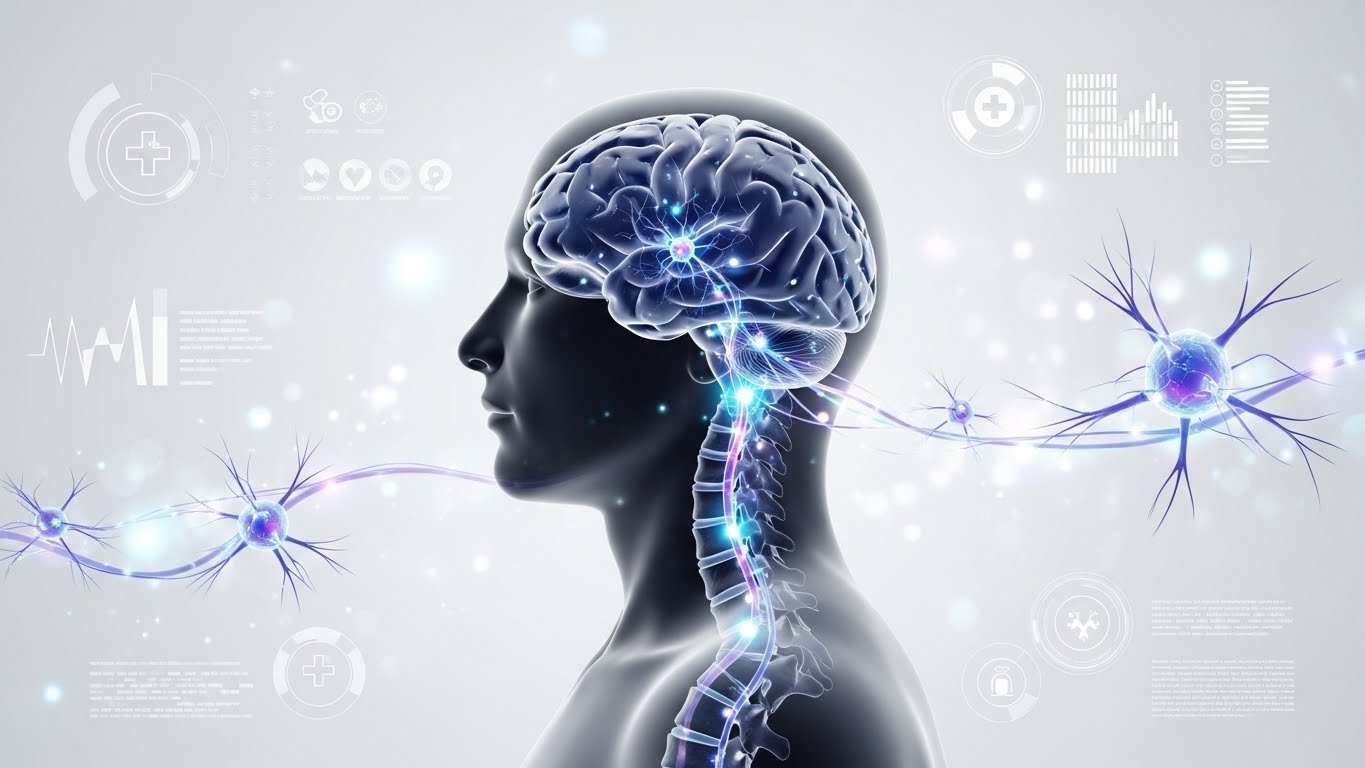
Neurological diseases affect the brain, spinal cord, and nerves, influencing how the body moves, senses, thinks, and responds. Conditions discussed under doctorhub360.com neurological diseases often include disorders that range from common headaches to complex degenerative illnesses. These conditions can impact people of all ages and may develop suddenly or progress slowly over time. Understanding neurological diseases is essential because early recognition can improve quality of life and long-term outcomes. Many neurological disorders share overlapping symptoms, which can make diagnosis challenging without proper medical evaluation. Informational resources focusing on neurological health aim to explain how these diseases develop, how they are identified, and what management strategies exist. Clear knowledge empowers individuals to recognize warning signs, seek timely care, and make informed decisions regarding neurological well-being.
Understanding Neurological Diseases
Neurological diseases refer to disorders that impair the structure or function of the nervous system. According to information commonly associated with doctorhub360.com neurological diseases, these conditions may affect the central nervous system or the peripheral nerves. Damage or dysfunction can result from genetic factors, infections, injuries, or degenerative processes. The nervous system’s complexity means that even small disruptions can cause significant physical or cognitive changes.
These diseases are often classified based on their origin and progression. Some neurological diseases develop due to inflammation or immune system dysfunction, while others result from gradual nerve degeneration. The informational approach behind doctorhub360.com neurological diseases emphasizes understanding how nerve cells communicate and what happens when those signals are disrupted. This foundational knowledge helps explain why symptoms vary widely among different neurological conditions.
Read More: TabooTube
Common Types of Neurological Disorders
Many conditions fall under the umbrella of neurological diseases, and doctorhub360.com neurological diseases discussions often highlight their diversity. Common disorders include epilepsy, migraines, stroke-related conditions, and neurodegenerative diseases. Each affects different parts of the nervous system and produces distinct symptom patterns. Some conditions are episodic, while others are chronic and progressive.
The impact of these disorders depends on severity, location of nerve involvement, and overall health. Some neurological diseases primarily affect movement and coordination, while others influence memory, speech, or sensory perception. Informational coverage of doctorhub360.com neurological diseases focuses on explaining these differences so readers can better understand why treatments and outcomes vary significantly across disorders.
Causes and Risk Factors
Neurological diseases arise from multiple causes, and doctorhub360.com neurological diseases resources often explain this complexity. Genetic mutations can predispose individuals to certain conditions, while infections may directly damage nerve tissue. Traumatic injuries to the head or spine can also trigger long-term neurological problems. Environmental factors sometimes contribute by affecting nerve development or function.
Risk factors vary depending on the disease but may include age, lifestyle habits, and existing medical conditions. For example, vascular health plays a role in stroke-related neurological diseases. Informational content related to doctorhub360.com neurological diseases highlights how understanding risk factors can support prevention efforts. Awareness encourages people to manage controllable risks and seek evaluation when symptoms emerge.
Symptoms and Warning Signs
Symptoms of neurological diseases differ widely, reflecting the nervous system’s broad role in bodily functions. Doctorhub360.com neurological diseases explanations often describe symptoms such as weakness, numbness, seizures, memory problems, or changes in behavior. These signs may appear gradually or suddenly, depending on the underlying condition and cause.
Early symptoms are sometimes subtle and easily overlooked. Persistent headaches, balance issues, or unexplained sensory changes can signal neurological involvement. Informational discussions of doctorhub360.com neurological diseases stress the importance of recognizing patterns and duration of symptoms. Prompt medical attention can help clarify causes and prevent further neurological damage in many cases.
Diagnosis and Medical Evaluation
Accurate diagnosis is essential for managing neurological diseases effectively. Doctorhub360.com neurological diseases information often outlines how physicians combine medical history, physical examinations, and neurological assessments. Imaging studies and laboratory tests may be used to visualize brain structures or identify underlying abnormalities affecting nerve function.
Because symptoms can overlap across conditions, diagnosis may take time and require multiple evaluations. Specialists often interpret subtle findings to determine the exact disorder. Informational coverage related to doctorhub360.com neurological diseases emphasizes patience and thoroughness during this process. A clear diagnosis provides direction for appropriate treatment and helps individuals understand expected disease progression.
Management and Long-Term Outlook
Management of neurological diseases depends on the specific condition, severity, and individual health factors. Doctorhub360.com neurological diseases resources typically explain that treatment may focus on symptom control, slowing progression, or improving daily function. Medications, rehabilitation therapies, and lifestyle adjustments often work together to support neurological health.
Long-term outlook varies widely among neurological diseases. Some conditions can be well-managed with consistent care, while others may progressively worsen over time. Informational perspectives associated with doctorhub360.com neurological diseases highlight the value of ongoing monitoring and support. Understanding prognosis helps individuals and families plan realistically while maintaining quality of life.
Conclusion
Neurological diseases encompass a wide range of conditions that affect how the nervous system functions and how individuals experience daily life. Informational discussions such as those associated with doctorhub360.com neurological diseases aim to clarify complex topics, from causes and symptoms to diagnosis and management. Knowledge plays a critical role in recognizing early warning signs and understanding the importance of medical evaluation. Although neurological diseases can be challenging, advances in medical understanding continue to improve diagnostic accuracy and care strategies. Staying informed encourages proactive health decisions and supports better communication with healthcare professionals. Ultimately, awareness and education remain key components in navigating neurological diseases responsibly and effectively.
FAQs
What are neurological diseases?
Neurological diseases are disorders affecting the brain, spinal cord, or nerves, leading to problems with movement, sensation, cognition, or behavior depending on the area involved.
Are neurological diseases always progressive?
No, some neurological diseases are stable or episodic, while others progressively worsen. The course depends on the specific condition, cause, and response to management.
How are neurological diseases diagnosed?
Diagnosis usually involves medical history, neurological exams, imaging studies, and laboratory tests to identify abnormalities affecting nervous system function.
Can neurological diseases be prevented?
Not all neurological diseases are preventable, but managing risk factors like injuries, infections, and vascular health can reduce the likelihood of certain conditions.
Why do symptoms vary so much?
Symptoms vary because different neurological diseases affect different parts of the nervous system, each responsible for specific bodily and cognitive functions.
When should someone seek medical advice?
Medical advice should be sought if neurological symptoms persist, worsen, or appear suddenly, especially if they interfere with daily activities or safety.
