

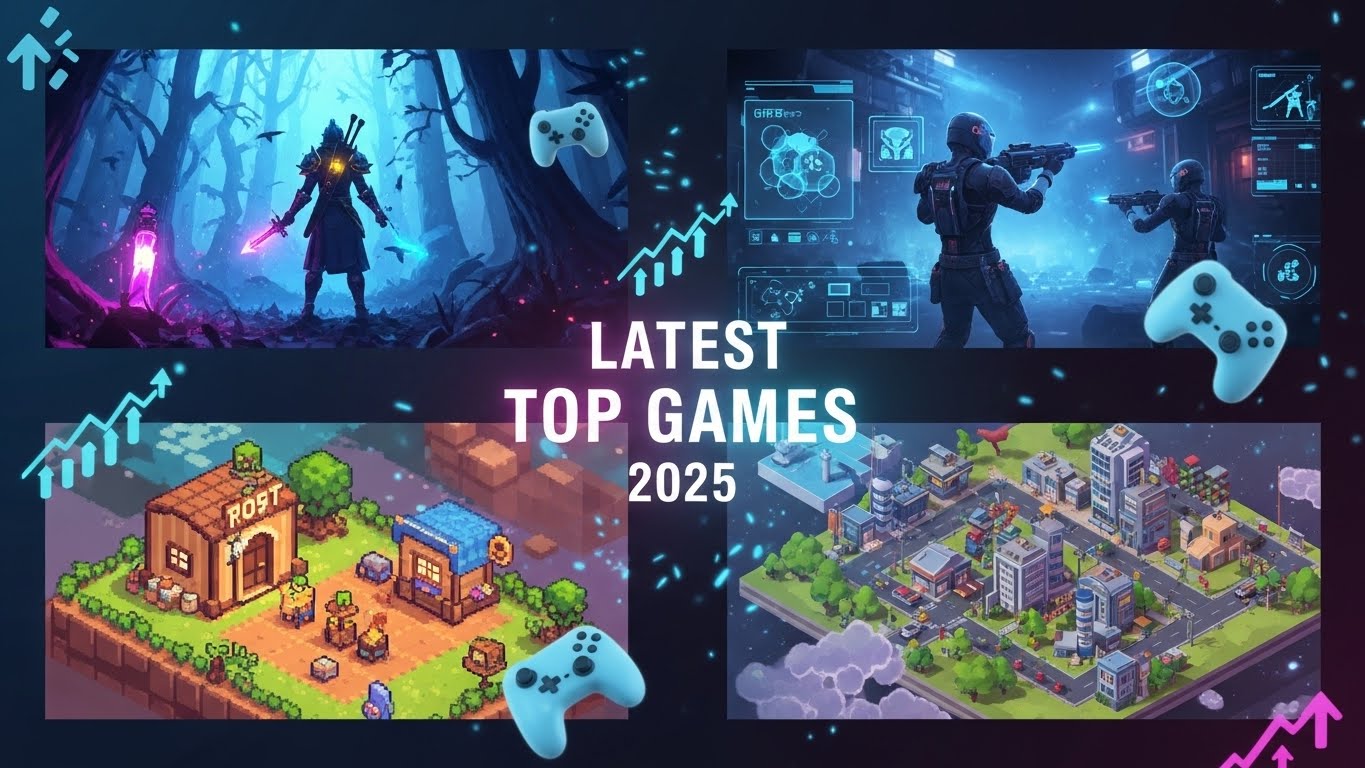
The gaming industry continues its explosive evolution in 2025, and keeping track of the category latest meltingtopgames has become essential for players seeking the most innovative and engaging experiences. From groundbreaking indie titles to AAA blockbusters, the current gaming landscape offers unprecedented variety and technological sophistication. Understanding which games are trending across various categories helps players make informed decisions about where to invest their time and money in an increasingly crowded marketplace.
The concept of category latest meltingtopgames encompasses more than just release dates—it represents a dynamic ecosystem where player preferences, critical reception, technological innovation, and cultural relevance converge. Recent market analysis shows that players are increasingly drawn to games that offer genuine innovation rather than iterative sequels, with independent developers gaining substantial ground against traditional publishers. This shift reflects broader changes in how games are discovered, discussed, and consumed across streaming platforms, social media, and gaming communities.
Today’s top games share common traits: immersive storytelling, responsive gameplay mechanics, strong community features, and cross-platform accessibility. Whether you’re interested in competitive shooters, narrative-driven adventures, strategic simulations, or cooperative experiences, understanding the latest category leaders helps navigate the vast gaming ecosystem more effectively. This comprehensive guide explores what makes certain games rise to the top, how categories are evolving, and which titles are currently defining excellence across the industry.
Understanding Gaming Categories in the Modern Era
The traditional classification of games into rigid genres has given way to more fluid categorization that reflects how players actually experience and discuss games. Category latest meltingtopgames now encompasses hybrid experiences that blend mechanics from multiple genres, creating entirely new player expectations. For instance, survival games now regularly incorporate crafting, base-building, combat, and narrative elements simultaneously, making simple genre labels inadequate. This evolution reflects both technological capabilities and sophisticated player preferences that demand more complex, multifaceted experiences.
Modern gaming categories are increasingly defined by player intent and experience type rather than pure mechanical classification. Developers recognize that players seek specific emotional outcomes—whether that’s competitive achievement, social connection, creative expression, or narrative immersion. Analytics data from major platforms shows that search behavior and recommendation algorithms now prioritize “games like” queries over traditional genre searches. This behavioral shift has fundamentally altered how publishers market new releases and how distribution platforms organize their libraries, with Steam, Epic Games Store, and console marketplaces all adopting more nuanced tagging systems.
Read More: Adacanpm
Action and Adventure: Leading the Charge
Action-adventure games continue dominating the category latest meltingtopgames conversations, with several 2025 releases pushing technical and creative boundaries. These titles combine visceral combat systems with exploration-driven narratives, appealing to broad demographics while offering depth for dedicated players. Recent standouts include games featuring advanced physics systems, dynamic weather affecting gameplay, and AI-driven NPC behaviors that create emergent storytelling opportunities. The success of these titles demonstrates that players still crave tightly designed experiences that respect their time while delivering memorable moments.
The integration of next-generation console capabilities has elevated action-adventure games to new heights, with ray-traced lighting creating atmospheric environments and haptic feedback systems providing unprecedented tactile immersion. Developers are leveraging SSDs to eliminate loading screens, enabling seamless world transitions that maintain narrative flow and player engagement. Franchises like Horizon, Assassin’s Creed, and newer properties from studios like Remedy Entertainment showcase how technical prowess combines with creative vision to deliver category-defining experiences. Player retention metrics indicate these games maintain engagement far longer than previous generations, with average completion rates rising as quality improves.
Competitive Multiplayer and Esports Phenomenon
The competitive gaming category represents perhaps the most financially successful segment of category latest meltingtopgames, with titles generating billions through player engagement and esports infrastructure. Games like Valorant, League of Legends, and newer entrants continue refining competitive balance while maintaining accessibility for casual players. The delicate equilibrium between skill ceiling and entry barrier defines success in this category, with developers employing sophisticated matchmaking algorithms and seasonal content updates to sustain player populations across skill levels.
Esports viewership has transformed how competitive games are designed, with spectator experience becoming a primary consideration during development. Features like dynamic camera systems, clear visual communication of game state, and compressed match durations make games more broadcast-friendly while maintaining competitive integrity. Prize pools for major tournaments now rival traditional sports, with The International, League of Legends World Championship, and Valorant Champions Tour collectively offering over $50 million annually. This economic ecosystem supports professional players, content creators, coaches, and analysts, creating career pathways that didn’t exist a decade ago.
Indie Innovation and Creative Expression
Independent developers have become major contributors to category latest meltingtopgames, often setting trends that larger studios subsequently adopt. The accessibility of powerful development tools like Unity and Unreal Engine has democratized game creation, enabling small teams to produce technically impressive and artistically distinctive titles. Games like Hades, Stardew Valley, and recent breakouts demonstrate that creative vision and polished execution can compete effectively against massive marketing budgets when distribution platforms provide discoverability.
The indie scene thrives on experimentation with unconventional mechanics, narrative structures, and art styles that larger studios often avoid due to perceived market risk. This creative freedom has produced some of gaming’s most memorable experiences, from emotional narrative adventures to innovative puzzle mechanics that challenge player assumptions. Crowdfunding platforms, early access programs, and community feedback loops enable iterative development processes that result in games highly attuned to player preferences. Success stories inspire new developers while proving that authentic passion projects can achieve both critical acclaim and commercial viability.
Role-Playing Games: Depth and Player Choice
The RPG category within category latest meltingtopgames continues expanding, embracing both traditional stat-heavy systems and more streamlined action-focused approaches. Modern RPGs emphasize meaningful player choice, branching narratives, and character customization that affects both mechanical performance and story outcomes. Games like Baldur’s Gate 3 have demonstrated massive appetite for complex, traditional RPG systems when executed with modern production values and writing quality, while action RPGs like Elden Ring prove that challenging gameplay combined with environmental storytelling resonates across demographics.
Character progression systems have evolved beyond simple level-ups to incorporate skill trees, equipment loadouts, relationship systems, and base-building mechanics that provide diverse paths for player expression. The most successful RPGs balance freedom with direction, offering enough structure to maintain narrative momentum while allowing players to approach challenges through multiple viable strategies. Cloud saving and cross-progression features enable players to continue adventures across devices, reflecting changing consumption patterns where gaming sessions occur in varied contexts and durations.
Simulation and Strategy: Cerebral Engagement
Simulation and strategy games occupy a unique space in category latest meltingtopgames, appealing to players seeking intellectual challenges and creative problem-solving opportunities. These titles range from city-builders and management simulations to grand strategy games covering historical or fictional conflicts spanning decades. The category benefits from dedicated communities that create extensive modification content, dramatically extending game lifespans and providing essentially unlimited content variations for enthusiasts.
Recent advances in AI enable more sophisticated opponent behaviors in strategy games, creating challenges that feel organic rather than artificially constrained. Simulation games increasingly incorporate realistic economic systems, environmental effects, and social dynamics that mirror real-world complexity while remaining approachable through elegant interface design. Games like Cities: Skylines 2, Manor Lords, and the Civilization series demonstrate that turn-based strategy and real-time tactical experiences both find substantial audiences when depth and accessibility are properly balanced. The category also performs exceptionally well on PC, where control precision and modding communities thrive.
Social and Casual Gaming Evolution
Social gaming experiences represent the fastest-growing segment of category latest meltingtopgames, driven by mobile platforms and cross-play functionality that connects players regardless of hardware. These games prioritize accessibility, short session lengths, and social interaction over technical complexity or competitive intensity. Titles like Among Us, Fall Guys, and various battle royale experiences demonstrate that simple, shareable gameplay loops can achieve massive cultural penetration when social mechanics are properly integrated.
The monetization models for social games have matured significantly, with ethical free-to-play systems balancing revenue generation against player goodwill. Successful implementations focus on cosmetic customization and convenience features rather than pay-to-win mechanics that damage competitive integrity. Live events, seasonal content, and collaboration with popular franchises maintain engagement while providing continuous revenue streams. Analytics show these games attract highly diverse demographics, including significant player populations that identify as casual gamers or who hadn’t engaged with gaming previously, expanding the industry’s overall reach.
Future Trends and Technological Integration
The trajectory of category latest meltingtopgames points toward increased integration of emerging technologies including cloud gaming, virtual reality, and AI-generated content systems. Cloud gaming services from Microsoft, Nvidia, and Sony promise to eliminate hardware barriers, enabling instant access to demanding titles on any screen. This democratization could fundamentally alter market dynamics, potentially favoring subscription models over traditional purchase structures while raising questions about game preservation and ownership.
Artificial intelligence applications extend beyond opponent behaviors to include procedural content generation, dynamic difficulty adjustment, and potentially real-time dialogue systems that create unique conversational experiences. However, creative industries rightfully scrutinize AI implementation to ensure technology enhances rather than replaces human artistry and craftsmanship. Virtual and augmented reality continue gradual adoption, with hardware improvements addressing comfort and accessibility concerns that previously limited mainstream appeal. The convergence of these technologies with traditional gaming formats will likely define the next decade’s most innovative and commercially successful releases.
Conclusion
The landscape of category latest meltingtopgames reflects an industry at peak creativity and technical capability, offering experiences for virtually every preference and platform. From competitive esports titles commanding millions of active players to intimate indie narratives touching individual hearts, gaming’s diversity has never been greater. Understanding how categories function, what drives success within each segment, and which innovations are gaining traction helps players navigate an overwhelming abundance of quality content.
The ongoing democratization of development tools, combined with sophisticated distribution platforms and vibrant gaming communities, ensures continuous innovation across all categories. Whether you’re drawn to strategic depth, competitive intensity, narrative immersion, or casual social experiences, 2025’s gaming landscape delivers exceptional options. As technology continues advancing and creative boundaries expand, staying informed about trending titles and emerging categories ensures you never miss the next defining gaming experience that resonates with your particular interests and play style.
