

Introduction
Ponadiza represents a captivating intersection of cultural heritage, traditional practices, and community values that have endured through generations. While the term may be unfamiliar to many outside specific cultural circles, understanding ponadiza opens a window into rich traditions that continue to shape communities and influence contemporary practices. This comprehensive exploration delves into the multifaceted nature of ponadiza, examining its historical roots, cultural significance, and the ways it adapts to modern contexts while preserving its essential character. The importance of ponadiza extends far beyond simple tradition—it embodies a living connection between past and present, offering insights into how communities maintain identity and cohesion through shared practices. Whether you’re a cultural enthusiast, researcher, or someone curious about diverse traditions, exploring ponadiza reveals valuable lessons about preservation, adaptation, and the human need for meaningful rituals.
Throughout history, similar cultural practices have demonstrated remarkable resilience, evolving without losing their core essence. As globalization increasingly homogenizes cultural landscapes, understanding and appreciating traditions like ponadiza becomes even more crucial for maintaining the rich tapestry of human diversity and expression that defines our world. The practice serves multiple functions within communities—from marking important life transitions to celebrating seasonal cycles, from teaching moral values to strengthening social bonds. Modern practitioners continue finding relevance in these time-honored customs, adapting them to contemporary lifestyles while honoring the wisdom of previous generations. This article examines how ponadiza maintains its vitality in the 21st century, addressing both the challenges it faces and the innovative solutions communities have developed to ensure its survival for future generations.
Historical Origins and Evolution of Ponadiza
The historical foundations of ponadiza trace back centuries, rooted in communities that valued collective participation and seasonal observances. Early documentation suggests that ponadiza emerged as a response to agricultural cycles, community celebrations, and the need for social cohesion during challenging times. Anthropological studies indicate that practices similar to ponadiza existed across various regions, each developing unique characteristics while maintaining common threads of community engagement and cultural transmission. The earliest practitioners established frameworks that balanced structure with flexibility, allowing the tradition to absorb influences while retaining its fundamental identity. Historical records, though sometimes fragmented, paint a picture of a practice deeply embedded in daily life, serving both practical and symbolic functions that reinforced social bonds and cultural continuity. Archaeological evidence from settlement sites reveals artifacts and spatial arrangements suggesting organized communal activities consistent with ponadiza-like traditions, indicating that the human impulse toward structured collective ritual has ancient precedents.
As societies transformed through industrialization and modernization, ponadiza demonstrated remarkable adaptability. The tradition evolved from primarily rural, agrarian contexts into urban environments, where new generations reinterpreted practices to fit contemporary lifestyles. This evolution wasn’t without tension—purists sometimes clashed with innovators over what constituted authentic ponadiza practice. However, this dynamic dialogue ultimately strengthened the tradition, forcing communities to articulate core values and distinguish essential elements from peripheral customs. The 20th century brought particularly dramatic changes, as migration patterns dispersed practitioners across continents, leading to fascinating regional variations. Despite geographic dispersion, communities maintained connections through shared principles, demonstrating that ponadiza’s essence transcends specific locations or rigid adherence to unchanged forms, instead emphasizing underlying values and communal spirit that adapt to diverse circumstances while maintaining recognizable continuity.
Read More: Iasweshoz1
Cultural Significance and Community Impact
Ponadiza serves as a powerful mechanism for cultural transmission, ensuring that knowledge, values, and traditions pass seamlessly from elder generations to youth. Within communities that practice ponadiza, participants report strengthened family bonds, enhanced cultural identity, and a profound sense of belonging that transcends individual experience. Sociological research highlights how such traditions create social capital—networks of relationships and shared understanding that benefit entire communities. The practice of ponadiza often involves multiple generations working together, with elders teaching younger members not just technical skills but also the stories, songs, and symbolism that give meaning to actions. This intergenerational exchange builds respect, patience, and appreciation for wisdom accumulated over lifetimes, countering modern tendencies toward age segregation and devaluation of traditional knowledge. Communities report that ponadiza gatherings provide rare opportunities for extended families to reconnect, strengthening kinship bonds that might otherwise weaken under the pressures of modern life.
Beyond individual families, ponadiza creates community-wide cohesion through shared participation and collective celebration. When communities gather for ponadiza-related events, they reinforce social networks, resolve conflicts through shared focus, and create memories that bind individuals to the collective. Economic anthropologists note that such traditions often support local economies through specialized crafts, food preparation, and services required for proper observance. The cultural significance of ponadiza extends to identity formation, particularly for minority communities navigating dominant cultures. By maintaining distinctive practices, these communities assert their presence, validate their experiences, and provide members with alternative value systems that resist cultural homogenization. Studies show that youth engaged with traditions like ponadiza demonstrate higher self-esteem, better academic performance, and stronger resilience against social pressures, illustrating tangible benefits beyond purely cultural considerations that make a compelling case for preservation and active participation.
Traditional Practices and Ritual Elements
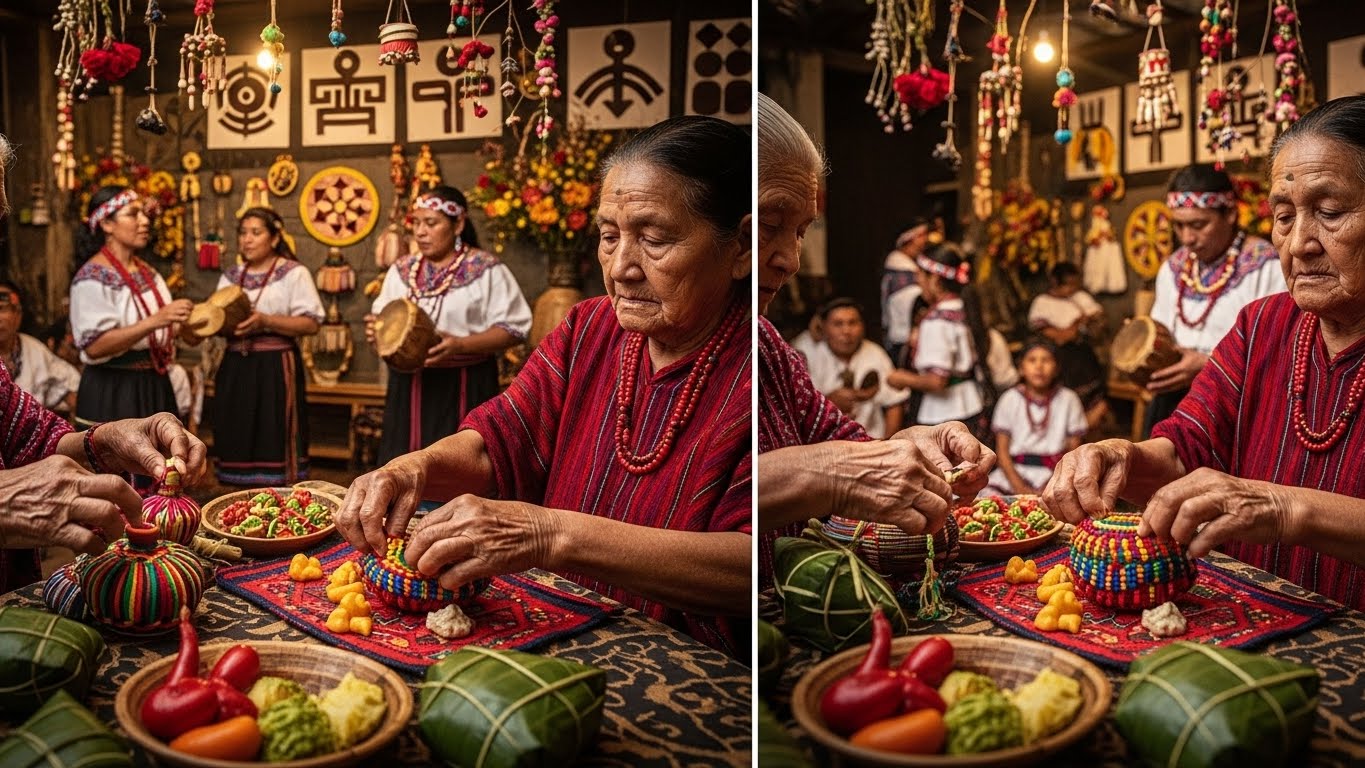
The practice of ponadiza encompasses diverse ritual elements that vary by region and community interpretation. Central to most expressions are specific preparation rituals, often beginning days or weeks before main events. These preparations involve gathering particular materials, preparing traditional foods using time-honored recipes, and creating ceremonial objects with symbolic significance. Each element carries meaning—colors represent specific virtues, arrangements follow cosmological principles, and timing aligns with natural cycles or historical commemorations. Practitioners emphasize that attention to detail isn’t mere formality but demonstrates respect for tradition and commitment to doing things properly. The physical actions involved in ponadiza often include rhythmic movements, chanting or singing, and prescribed sequences that participants memorize through repetition rather than written instruction, creating embodied knowledge that connects practitioners to generations of predecessors who performed identical gestures.
Musical and artistic expressions form integral components of authentic ponadiza practice. Traditional instruments, some crafted specifically for these occasions, produce distinctive sounds that practitioners immediately recognize as belonging to their cultural heritage. Songs passed down orally preserve historical narratives, moral teachings, and community memories in forms designed for memorization and emotional impact. Visual arts—from decorative elements to ceremonial clothing—display motifs with layered meanings accessible to initiated members. Anthropologists studying ponadiza note that these artistic dimensions serve multiple functions: they beautify ceremonies, encode cultural information, create multisensory experiences that enhance memory and emotional engagement, and provide opportunities for skilled practitioners to gain recognition. The aesthetic dimensions aren’t superficial decorations but essential aspects through which communities express worldviews, values, and aspirations that define their collective identity and distinguish them from neighboring groups.
Modern Adaptations and Contemporary Relevance
In today’s fast-paced, digitally connected world, ponadiza faces both challenges and opportunities for continued relevance. Contemporary practitioners have creatively adapted traditional elements to fit modern schedules, urban spaces, and technological realities without compromising essential meanings. Some communities now conduct preparatory meetings via video conferencing, allowing geographically dispersed members to coordinate activities. Social media platforms have become spaces for sharing ponadiza experiences, teaching younger generations, and connecting with practitioners worldwide. These digital adaptations have sparked debates about authenticity—can ponadiza transmitted through screens carry the same power as in-person, embodied learning? Many practitioners argue that technology serves as a tool rather than replacement, enabling connection and education while acknowledging that certain experiential dimensions require physical presence and direct sensory engagement that no digital medium can fully replicate.
The wellness and mindfulness movements have unexpectedly created new interest in traditions like ponadiza among seekers outside originating communities. People searching for meaning, connection, and alternatives to consumer culture discover that ponadiza offers structured practices promoting community, creativity, and spiritual fulfillment. This cross-cultural interest presents complex dynamics—while broader appreciation can support preservation efforts and provide economic opportunities for traditional practitioners, concerns about cultural appropriation and superficial engagement remain valid. Respectful engagement requires understanding context, acknowledging origins, and recognizing that ponadiza isn’t simply a wellness technique but a living tradition with deep roots and ongoing significance for specific communities. Forward-thinking practitioners have developed educational programs, cultural exchanges, and participation frameworks that welcome sincere interest while protecting cultural integrity, demonstrating that traditions can remain both accessible and authentic when communities control how their heritage is shared and represented.
Preservation Challenges and Documentation Efforts
Preserving ponadiza for future generations presents multifaceted challenges in rapidly changing social landscapes. Urbanization disrupts community structures that traditionally supported transmission, as families scatter for employment and young people pursue education far from home communities. Language loss poses another critical threat—when younger generations lose fluency in languages encoding traditional knowledge, they lose access to nuanced meanings, stories, and instructions embedded in specific linguistic forms. Economic pressures push individuals toward careers offering financial security rather than mastery of traditional practices, creating gaps in skilled practitioners capable of teaching and performing ponadiza properly. Additionally, environmental changes affect access to natural materials traditionally used in ponadiza, forcing adaptations that some view as compromising authenticity. The challenge becomes particularly acute in immigrant communities where children grow up in cultural environments vastly different from where ponadiza originated, making transmission more difficult.
Despite these challenges, dedicated preservation efforts offer hope for ponadiza’s future. Cultural organizations have implemented documentation projects recording elder practitioners’ knowledge through video, audio, and written formats. These archives preserve technical information while capturing performance contexts, explanations of symbolism, and personal narratives that enrich understanding. Museums and cultural centers create exhibitions showcasing ponadiza, educating broader publics while validating practitioners’ heritage. Academic institutions partner with communities on research projects that respect cultural protocols while advancing scholarly understanding. Grant programs support master-apprentice relationships, providing financial assistance enabling experienced practitioners to train dedicated students intensively. Digital humanities initiatives create interactive databases, virtual reality experiences, and online learning platforms making ponadiza accessible while tracking participation and evolution, ensuring that knowledge survives even if transmission pathways face temporary disruption.
Educational Approaches and Knowledge Transmission
Traditional ponadiza education follows apprenticeship models emphasizing experiential learning, observation, and gradual skill development over years. Unlike formal schooling’s structured curricula and standardized assessments, ponadiza transmission occurs through participation in actual events, assisting experienced practitioners, and absorbing knowledge organically through immersion. Elders teach through demonstration and brief verbal guidance rather than lengthy explanations, expecting learners to develop understanding through practice and reflection. This pedagogical approach values patience, respect for natural learning rhythms, and recognition that mastery requires time and dedication. Critics of modern education sometimes point to traditional methods as alternatives to test-focused instruction, noting that apprenticeship models develop different cognitive skills including spatial reasoning, kinesthetic intelligence, and contextual knowledge application that standardized testing struggles to measure effectively.
Contemporary educational initiatives seek to integrate ponadiza into formal schooling while respecting traditional transmission methods. Cultural education programs in schools with significant practitioner populations introduce students to ponadiza through age-appropriate activities, guest presentations by community elders, and field trips to ceremonies and events. These programs face challenges balancing curriculum requirements with cultural protocols, ensuring respectful representation, and avoiding reduction of complex traditions to superficial multicultural celebrations. Some communities have established dedicated cultural schools offering intensive ponadiza instruction outside mainstream education systems. These institutions provide structured environments where young people systematically learn practices while remaining embedded in community contexts. Research on such programs shows positive outcomes including enhanced cultural pride, improved academic performance in mainstream schools, and stronger likelihood that participants continue practicing into adulthood, validating the investment communities make in education-focused preservation strategies.
Economic Dimensions and Sustainable Practices
The economic aspects of ponadiza extend beyond simple cost considerations to encompass livelihoods, community development, and sustainability questions. Traditional practitioners often created specialized goods—ceremonial objects, musical instruments, traditional foods—as economic activities supporting families while serving cultural functions. These craft economies operated on different principles than mass production, valuing quality, cultural authenticity, and relationships over profit maximization. Contemporary practitioners face tensions between maintaining traditional production methods and economic pressures favoring efficiency and scale. Some have successfully developed niche markets among cultural enthusiasts and ethical consumers willing to pay premium prices for authentic, handcrafted items. Online marketplaces connect practitioners directly with customers worldwide, bypassing intermediaries who historically captured most profits, allowing artisans to earn sustainable incomes while practicing their cultural heritage.
Cultural tourism represents another economic dimension with mixed implications for ponadiza. Communities hosting visitors at festivals and ceremonies generate income supporting preservation efforts while educating outsiders about their heritage. However, tourism can distort practices toward visitor expectations, create performative versions diverging from authentic community observances, and cause discomfort when sacred or private elements become public entertainment. Successful cultural tourism programs establish clear boundaries, distinguish public presentations from community-only practices, and ensure that economic benefits accrue primarily to practitioners rather than external operators. Some communities have developed certification programs guaranteeing authentic ponadiza products and experiences, protecting consumers from exploitative imitations while supporting legitimate practitioners. Sustainability considerations increasingly influence ponadiza economics as practitioners seek environmentally responsible material sourcing, reduce waste, and emphasize quality over quantity, demonstrating that economic viability and cultural integrity can coexist when communities maintain control.
Global Connections and Cross-Cultural Exchange
Ponadiza exists within broader networks of similar traditions worldwide, each culturally specific yet sharing common human needs for ritual, community, and meaning-making. Comparative studies reveal fascinating parallels between ponadiza and practices from geographically distant regions, suggesting universal patterns in how humans create and maintain cultural traditions. These similarities don’t diminish individual traditions’ uniqueness but highlight shared aspects of human experience transcending particular contexts. International cultural exchanges allow ponadiza practitioners to connect with counterparts practicing different but analogous traditions, fostering mutual learning, support, and solidarity. Such connections prove especially valuable for minority communities whose traditions face marginalization within dominant cultures—discovering that others face similar challenges while successfully maintaining their practices provides encouragement and practical strategies. Cross-cultural dialogue often reveals innovative solutions one community has developed that others can adapt to their contexts.
Digital globalization has dramatically expanded possibilities for cross-cultural connection around ponadiza. Social media groups unite practitioners across continents, sharing experiences, asking advice, and celebrating achievements together. Virtual festivals allow simultaneous participation across time zones, creating collective experiences impossible in purely physical contexts. These global networks function as contemporary versions of historical trade routes and migration patterns that always facilitated cultural exchange, now operating at unprecedented speed and scale. However, globalization also raises concerns about homogenization—will increased interaction cause distinct regional ponadiza variations to converge toward standardized forms? Evidence suggests that while practitioners eagerly adopt useful innovations from other communities, they simultaneously emphasize distinctive local characteristics that define their specific tradition. The global ponadiza community thus emerges as a network of proud, distinct traditions that support each other while celebrating diversity, demonstrating that traditions can engage with modernity and cross-cultural exchange without losing essential character.
Conclusion
Ponadiza stands as a testament to human resilience, creativity, and the enduring power of cultural traditions in shaping communities and individual identities. From its historical origins through contemporary adaptations, ponadiza demonstrates how living traditions evolve while maintaining core values and practices that define their essence. The rich tapestry of ritual elements, community impacts, and cultural significance explored throughout this article reveals that ponadiza offers far more than nostalgic connection to the past—it provides frameworks for meaning, belonging, and collective action that remain profoundly relevant in modern contexts. As we’ve seen, ponadiza faces genuine challenges including urbanization, language loss, and economic pressures, yet dedicated practitioners and innovative preservation strategies offer hope for its continued vitality. The tradition’s ability to adapt to digital technologies, global connections, and contemporary lifestyles while maintaining authenticity demonstrates remarkable flexibility and strength that ensures its survival.
For communities practicing ponadiza, continued engagement ensures cultural continuity and provides younger generations with invaluable resources for identity formation and social connection. For those outside these communities, respectful learning about traditions like ponadiza enriches understanding of human diversity and challenges us to consider what practices and values we wish to preserve in our own lives. The lessons ponadiza offers about community resilience, intergenerational knowledge transmission, and balancing tradition with innovation extend far beyond any single cultural context. Whether you’re a practitioner seeking to deepen your engagement or a curious learner discovering ponadiza for the first time, this tradition offers profound insights into the timeless human need for meaningful connection, shared purpose, and cultural expression. As our world grows increasingly fragmented and digitized, the enduring appeal of ponadiza reminds us that authentic human connection, rooted in shared practices and values, remains essential to individual wellbeing and collective flourishing across all cultures and communities.
