

Introduction
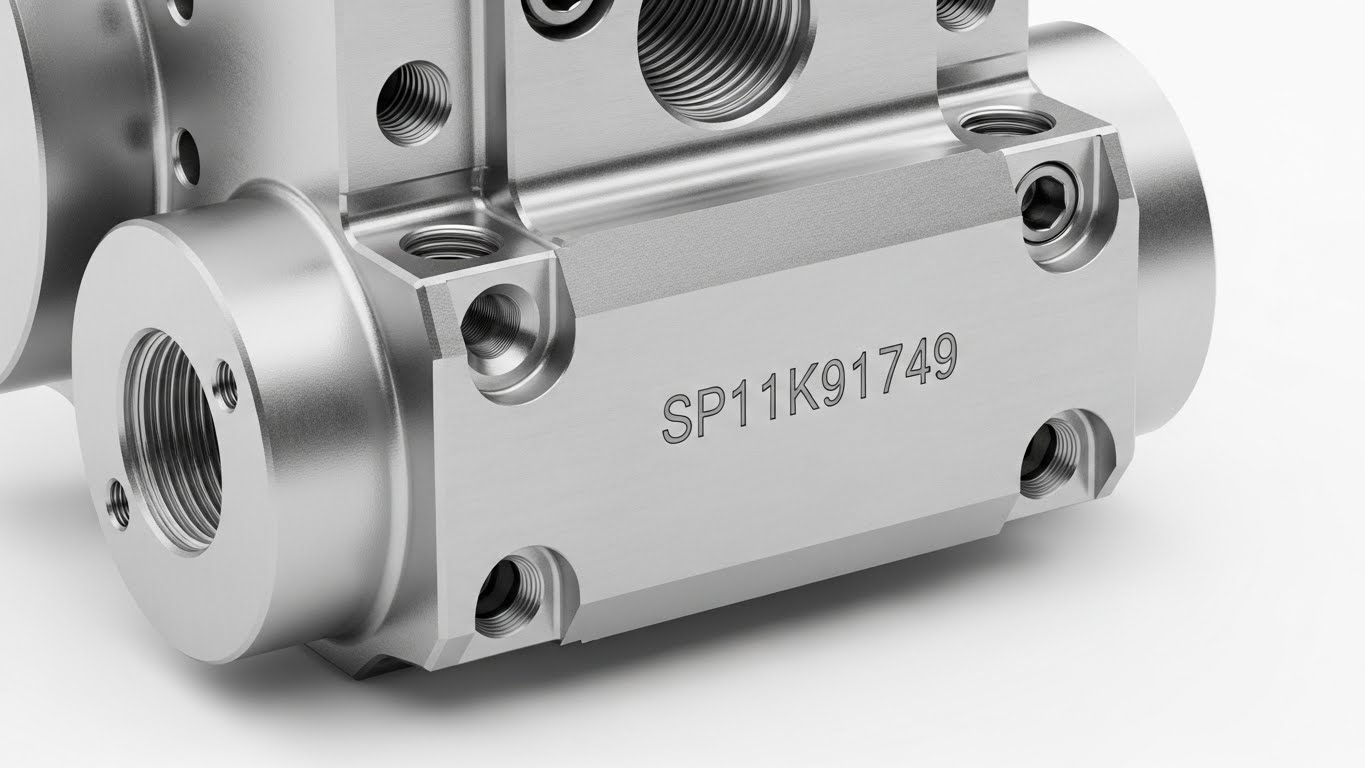
In the rapidly evolving landscape of industrial components and technical specifications, SP11K91749 has emerged as a critical element that professionals across various sectors need to understand thoroughly. Whether you’re an engineer, maintenance technician, or procurement specialist, having comprehensive knowledge about SP11K91749 can significantly impact your operational efficiency and decision-making processes. This component has gained substantial recognition in recent years due to its versatility, reliability, and performance characteristics that meet stringent industry standards.
The SP11K91749 represents more than just a part number—it symbolizes a solution to complex technical challenges that many organizations face daily. From manufacturing facilities to service operations, this component has proven its worth through consistent performance and adaptability across diverse applications. Understanding its specifications, proper implementation methods, and maintenance requirements is essential for anyone looking to maximize their investment and ensure long-term operational success.
As industries continue to demand higher efficiency and reliability from their equipment, components like SP11K91749 have become increasingly important. The technical community has recognized this component for its robust design, precision engineering, and ability to perform under challenging conditions. This guide will explore every aspect of SP11K91749, providing you with the detailed information necessary to make informed decisions about its selection, installation, and ongoing maintenance. Whether you’re encountering this specification for the first time or looking to deepen your existing knowledge, this comprehensive resource will serve as your definitive reference point for all things related to SP11K91749.
Technical Specifications and Core Features
The SP11K91749 boasts an impressive array of technical specifications that set it apart from comparable components in the market. At its core, this component features advanced engineering that ensures optimal performance across various operating conditions. The dimensional specifications have been precisely calibrated to meet international standards, with tolerances measured to ensure perfect compatibility with existing systems. The material composition incorporates high-grade alloys and compounds that provide exceptional durability while maintaining the necessary flexibility for different applications. Temperature resistance ranges have been extensively tested, confirming that SP11K91749 can operate effectively in environments ranging from extreme cold to high-heat conditions without compromising its structural integrity or functional capabilities.
Beyond the basic specifications, the SP11K91749 incorporates several innovative features that enhance its overall value proposition. The component’s design includes built-in safety mechanisms that prevent common failure modes, significantly reducing the risk of unexpected downtime or system failures. Its modular architecture allows for straightforward integration with both legacy systems and modern equipment, making it an ideal choice for facilities undergoing gradual upgrades or complete overhauls. The surface treatment applied to SP11K91749 provides superior corrosion resistance, extending its operational lifespan even in harsh or chemically aggressive environments. Additionally, the component’s energy efficiency characteristics contribute to reduced operational costs over time, making it not just a technical solution but also a financially sound investment for organizations focused on long-term sustainability and cost management.
Read More: Ucerescos
Primary Applications and Industry Uses
The versatility of SP11K91749 manifests through its widespread adoption across multiple industry sectors, each leveraging its unique characteristics for specific applications. In the manufacturing sector, this component has become integral to automated production lines where precision and reliability are non-negotiable requirements. Companies have successfully integrated SP11K91749 into conveyor systems, robotic assemblies, and quality control equipment, where its consistent performance contributes directly to improved production yields and reduced defect rates. The automotive industry, in particular, has embraced this component for critical applications where safety and durability standards are exceptionally stringent. From assembly line operations to testing equipment, SP11K91749 has proven its ability to maintain peak performance even under the demanding conditions characteristic of modern automotive production facilities.
Beyond manufacturing, the SP11K91749 has found valuable applications in infrastructure and maintenance operations across various sectors. Power generation facilities utilize this component in systems where continuous operation is essential, and any failure could result in significant economic losses or safety concerns. Water treatment plants have incorporated SP11K91749 into their filtration and pumping systems, benefiting from its resistance to chemical exposure and moisture-related degradation. The component’s reliability has also made it a preferred choice in HVAC systems for large commercial buildings, where it contributes to energy-efficient climate control while minimizing maintenance requirements. Transportation infrastructure, including rail systems and port operations, has adopted SP11K91749 for applications requiring components that can withstand constant use, environmental exposure, and the mechanical stresses associated with heavy-duty operations. This broad applicability demonstrates the component’s versatility and the confidence that diverse industries place in its performance capabilities.
Installation Guidelines and Best Practices
Proper installation of SP11K91749 is crucial for ensuring optimal performance and longevity, requiring careful attention to manufacturer specifications and industry best practices. Before beginning the installation process, technicians should conduct a thorough assessment of the installation site, verifying that all environmental conditions fall within the component’s operational parameters. This preliminary evaluation includes checking ambient temperature ranges, humidity levels, potential exposure to corrosive substances, and the presence of vibration or shock that might affect the component’s performance. Preparing the mounting surface is equally important; it must be clean, level, and free from debris that could interfere with proper seating or alignment. The installation area should provide adequate clearance for any required maintenance activities, as restricted access can complicate future service procedures and increase downtime during routine inspections or repairs.
The actual installation procedure for SP11K91749 requires precision and adherence to specific torque specifications, alignment tolerances, and connection protocols outlined in the technical documentation. Using calibrated tools is essential, as over-tightening or under-tightening fasteners can lead to premature failure or compromised performance. When making electrical or fluid connections associated with SP11K91749, technicians must follow proper grounding procedures and ensure all seals are correctly positioned to prevent contamination or leakage. Post-installation testing represents a critical phase that should never be rushed or skipped; comprehensive verification ensures that the component functions correctly within the larger system and meets all performance benchmarks. This testing should include operational checks under various load conditions, measurement of relevant parameters such as pressure, flow, or electrical characteristics, and confirmation that safety interlocks or monitoring systems are functioning properly. Documentation of the installation process, including any deviations from standard procedures or unexpected observations, provides valuable information for future maintenance activities and troubleshooting efforts.
Maintenance Requirements and Service Intervals
Establishing a proactive maintenance schedule for SP11K91749 is essential for maximizing its operational lifespan and preventing unexpected failures that can disrupt operations and incur significant costs. The recommended maintenance intervals vary based on operating conditions, with components subjected to harsh environments or continuous operation requiring more frequent inspections than those in more benign applications. A typical preventive maintenance program should include visual inspections conducted monthly to identify obvious signs of wear, contamination, or damage that might indicate developing problems. These inspections allow maintenance personnel to detect issues early, when corrective actions are typically simpler and less expensive than addressing complete failures. During these routine checks, technicians should examine mounting hardware for proper torque, verify that clearances remain within specifications, and confirm that associated components such as seals, gaskets, or connections show no signs of deterioration or leakage.
More comprehensive maintenance activities for SP11K91749 should occur at quarterly or semi-annual intervals, depending on the specific application and operating hours accumulated. These detailed service procedures might include disassembly for internal inspection, cleaning of critical surfaces, replacement of wear components, and recalibration or adjustment to maintain optimal performance parameters. Lubrication, where applicable, must use only approved materials in specified quantities, as incorrect lubricant selection or over-lubrication can be as problematic as insufficient lubrication. Maintaining detailed maintenance records is invaluable for identifying trends in component behavior, predicting when replacement might be necessary, and optimizing the maintenance schedule based on actual operating experience rather than generic recommendations. Many organizations have found that implementing condition-based monitoring for critical applications of SP11K91749 provides economic benefits by allowing maintenance activities to be performed based on actual component condition rather than fixed time intervals, reducing both unnecessary maintenance and the risk of unexpected failures.
Troubleshooting Common Issues
When problems arise with SP11K91749, systematic troubleshooting approaches help maintenance personnel quickly identify root causes and implement effective solutions. One of the most frequently encountered issues involves performance degradation, where the component continues to function but fails to meet expected operational parameters. This condition often results from gradual wear, contamination, or changes in operating conditions that fall outside the component’s optimal range. Diagnostic procedures should begin with verification of all input parameters, ensuring that the component receives proper power supply, fluid pressure, or other necessary inputs for normal operation. Comparative measurements against baseline data collected during initial installation or previous maintenance activities can reveal subtle changes that point toward specific failure mechanisms or developing problems requiring attention before complete failure occurs.
More severe issues with SP11K91749, such as complete functional failure or mechanical damage, demand immediate attention and careful analysis to prevent recurrence. When catastrophic failures occur, preservation of the failed component and careful documentation of the failure mode provide valuable information for root cause analysis. Examining the failed component can reveal whether the problem stemmed from installation errors, operating the component beyond its design limits, manufacturing defects, or environmental factors not adequately considered during the initial selection process. In many cases, failure analysis reveals that problems attributed to the component itself actually originated from issues with associated systems, improper maintenance practices, or operational procedures inconsistent with manufacturer recommendations. Learning from these failures and implementing corrective actions—whether modifications to maintenance procedures, operational changes, or system redesigns—helps prevent similar issues in the future and contributes to improved overall system reliability. Organizations that maintain comprehensive failure documentation often discover patterns that inform better component selection decisions, more effective maintenance strategies, and improved operational practices across their facilities.
Comparison with Alternative Solutions
Evaluating SP11K91749 against alternative components requires careful consideration of multiple factors beyond simple cost comparisons, including performance characteristics, longevity expectations, and total cost of ownership. While several competing products offer similar basic functionality, the SP11K91749 distinguishes itself through superior build quality and more robust performance under demanding conditions. Comparative testing conducted by independent laboratories has consistently demonstrated that this component maintains tighter tolerances over extended operating periods compared to many alternatives, translating to more predictable performance and reduced need for system recalibration or adjustment. The material selection and manufacturing processes employed in producing SP11K91749 result in a component that resists wear, corrosion, and fatigue more effectively than many competitive offerings, particularly in applications involving cyclic loading, temperature variations, or exposure to aggressive chemicals.
From an economic perspective, the initial purchase price of SP11K91749 may appear higher than some alternatives, but comprehensive lifecycle cost analysis typically reveals significant advantages. The extended service life means less frequent replacement, reducing both material costs and the labor expenses associated with component changeouts. Lower maintenance requirements translate to reduced ongoing costs and less frequent production interruptions for service activities. Energy efficiency advantages, where applicable, contribute to operational savings that accumulate over the component’s lifespan, potentially offsetting the initial price premium multiple times over. Additionally, the reliability of SP11K91749 reduces the risk of unexpected failures that can result in costly emergency repairs, lost production, or safety incidents. Organizations making strategic decisions about component selection increasingly recognize that focusing solely on acquisition cost often leads to suboptimal outcomes, and that considering total cost of ownership—including purchase price, installation costs, maintenance expenses, energy consumption, replacement frequency, and downtime risk—provides a more accurate basis for comparison. When evaluated through this comprehensive lens, SP11K91749 consistently demonstrates strong value propositions that justify its position as a preferred choice across numerous industries and applications.
Future Developments and Industry Trends
The evolution of components like SP11K91749 continues as manufacturers respond to changing industry requirements, emerging technologies, and evolving regulatory standards. Current development efforts focus on enhancing performance characteristics while simultaneously reducing environmental impact throughout the component’s lifecycle, from raw material extraction through manufacturing, operation, and eventual disposal or recycling. Advanced materials research promises next-generation versions of SP11K91749 with even greater durability, potentially extending service life by fifty percent or more compared to current specifications. Engineers are exploring composite materials and novel alloy formulations that maintain the component’s proven reliability while reducing weight, improving energy efficiency, and providing better performance in extreme temperature environments that challenge conventional materials.
Integration of smart technology represents another frontier for components in the SP11K91749 category, with embedded sensors and connectivity features enabling real-time condition monitoring and predictive maintenance capabilities. These intelligent components can communicate operational data to centralized monitoring systems, providing insights into performance trends, alerting maintenance personnel to developing problems before failures occur, and optimizing system operations based on actual operating conditions rather than predetermined parameters. The Industrial Internet of Things (IIoT) revolution is transforming how organizations manage their equipment, and components like SP11K91749 are evolving to participate fully in these connected ecosystems. Looking forward, we can anticipate continued innovation that addresses emerging challenges such as increased pressure for sustainability, demands for greater energy efficiency, and the need for components that can operate reliably in increasingly automated and autonomous systems. Staying informed about these developments helps organizations make strategic decisions about when to adopt new technologies and how to position themselves for successful transitions as the industry continues evolving toward more capable, efficient, and intelligent solutions.
Conclusion
The comprehensive examination of SP11K91749 presented throughout this guide demonstrates why this component has achieved such widespread adoption across diverse industries and applications. From its robust technical specifications to its proven performance in demanding environments, SP11K91749 represents a reliable solution for organizations seeking components that deliver consistent results over extended operational lifespans. Understanding the proper installation procedures, maintenance requirements, and troubleshooting approaches ensures that users can maximize the value of their investment while minimizing the risks of unexpected failures or performance degradation.
As industries continue evolving toward greater efficiency, reliability, and sustainability, components like SP11K91749 will remain essential building blocks for successful operations. Whether you’re specifying components for a new installation, upgrading existing systems, or evaluating alternatives to current solutions, the information provided here should serve as a valuable resource for making informed decisions. The key to success lies not just in selecting quality components, but in implementing them properly, maintaining them consistently, and understanding their capabilities and limitations within your specific application context. By taking a comprehensive, informed approach to component selection and management, organizations position themselves for operational excellence and long-term success in an increasingly competitive global marketplace.
