

Introduction
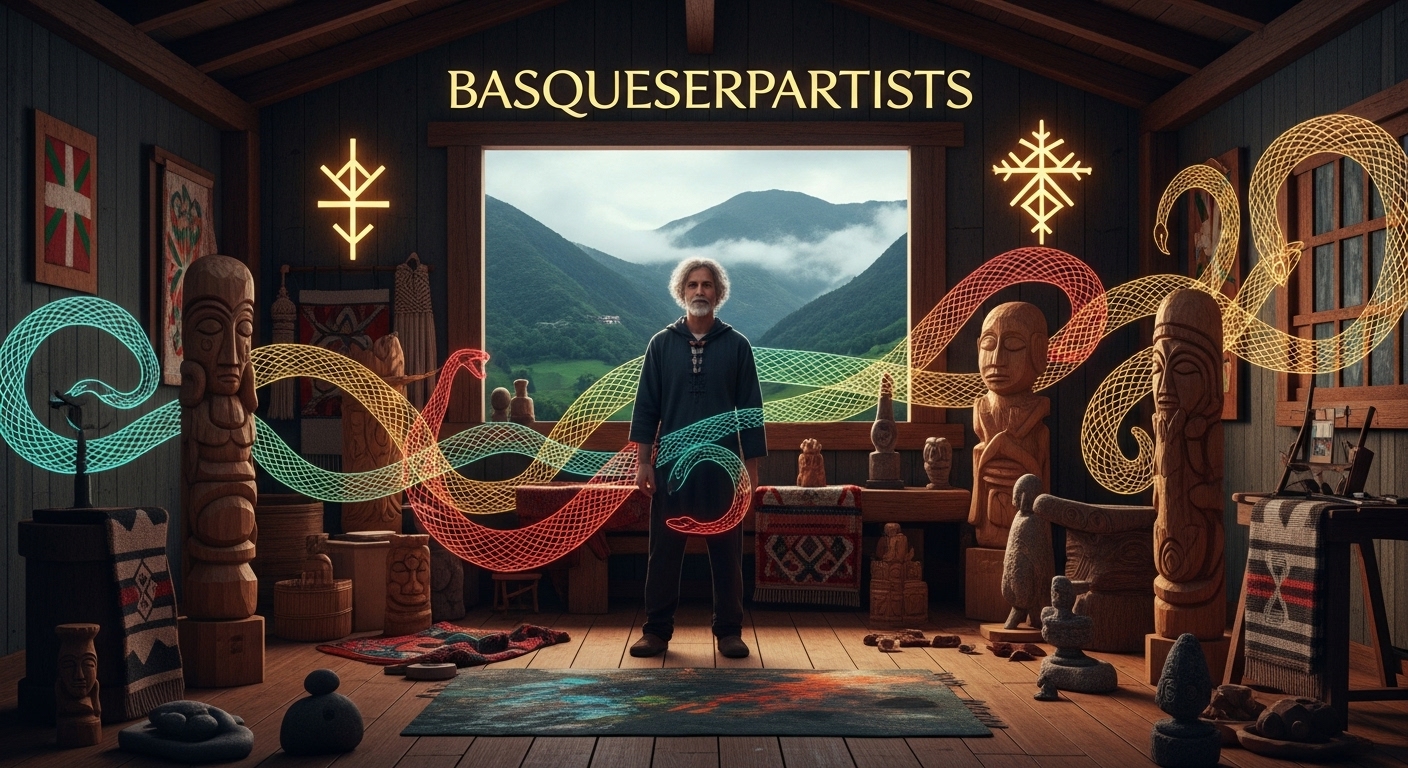
The term Basqueserpartists has emerged as a unique and captivating concept that blends Basque artistic identity with serpentine symbolism, creating a distinct cultural narrative that stands apart from more conventional art movements. Early references to Basqueserpartists describe creators who draw inspiration from the textured landscapes, folklore, and rhythmic traditions of the Basque region while weaving in themes tied to serpents—representing transformation, endurance, and cyclical renewal. By incorporating this layered symbolism, Basqueserpartists establish an artistic approach that feels both ancient and refreshingly modern, resonating strongly with enthusiasts who seek art rooted in meaning and history. As this term grows in recognition, more audiences are exploring how Basqueserpartists express identity, tradition, and evolution through their craft.
Understanding the work of Basqueserpartists requires appreciating the deep cultural foundations behind it. The Basque region has long been celebrated for its distinctive language, mythologies, and artistic traditions, all of which contribute significantly to this creative identity. For instance, Basque folklore often features serpent-like figures symbolizing hidden knowledge, guardianship, and natural cycles. Basqueserpartists take these motifs and translate them into visual, sculptural, musical, or literary forms that reveal how heritage can adapt to new eras. By embracing such complexity, Basqueserpartists challenge audiences to see culture not as a static artifact but as a constantly evolving narrative influenced by personal experiences and broader societal shifts. Today, interest in this artistic identity is rising as more people seek authentic, culturally rooted creative expression.
The Cultural Roots of Basqueserpartists
The cultural DNA of Basqueserpartists is deeply tied to Basque heritage, a region known for its resilient identity and rich folkloric traditions. Many artists in this category draw inspiration from ancient Basque symbols such as the lauburu, mythological figures like Sugaar (a serpent deity), and centuries-old textile and carving practices. These cultural roots help Basqueserpartists maintain a strong connection to their ancestral environment while allowing room for reinterpretation. The serpent motifs embedded in their work often represent cycles of renewal—a theme commonly found across Basque mythology and passed down through oral history. Through these symbolic connections, Basqueserpartists preserve cultural memory while presenting it through a contemporary artistic lens.
At the same time, Basqueserpartists have embraced a broader European artistic influence, integrating modern textures, abstract elements, and experimental techniques. This fusion allows them to convey both cultural preservation and forward-thinking creativity. For example, many Basqueserpartists use mixed media, blending organic materials like wood or stone with digital enhancements or experimental paint structures. This combination echoes the Basque region’s blend of ancient rural traditions and modern design sensibilities. As a result, the cultural roots of Basqueserpartists form a dynamic foundation—one that honors the past while evolving toward a more expressive, globally relevant future.
Read More: Amydashleigh16
Symbolism and Themes Within Basqueserpartists’ Work
A defining characteristic of Basqueserpartists is their use of symbolic imagery, especially serpentine motifs that convey transformation and continuity. These themes appear across various mediums—paintings, sculptures, murals, and performance pieces—highlighting how the serpent symbol can be interpreted in multiple cultural and emotional dimensions. Some Basqueserpartists explore the serpent as a protector, referencing ancient myths where serpent spirits guided or shielded communities. Others portray serpents as metaphors for personal growth, shedding old identities to embrace new ones. This symbolic diversity makes the work of Basqueserpartists especially compelling, as it resonates with both cultural heritage and universal human experiences.
Further, Basqueserpartists often incorporate environmental themes tied to the rugged Basque landscape, using serpentine patterns to mimic rivers, mountain curves, or the flow of coastal winds. These natural inspirations help merge ancient symbolism with ecological awareness, a topic increasingly relevant in contemporary art. Some artists even use sustainable materials to reinforce their environmental message. By weaving together mythology, natural forms, and personal narrative, Basqueserpartists produce deeply layered creations that invite viewers to reflect on the interconnectedness of culture, nature, and emotional evolution.
Techniques and Mediums Used by Basqueserpartists
Basqueserpartists are known for their diverse yet intentional use of materials, often combining traditional Basque crafting techniques with modern artistic approaches. Many work with materials such as carved wood, handwoven fabrics, and stone—echoing the artisan traditions of the Basque countryside. These elements provide texture and grounding, reinforcing ties to cultural roots. Basqueserpartists who work in painting frequently employ rich, earthy tones layered with serpentine curves, creating rhythmic compositions that mimic natural movement. This mix of traditional and modern techniques allows them to maintain cultural authenticity while exploring contemporary aesthetics.
Digital art is also becoming increasingly prominent among Basqueserpartists. While rooted in physical tradition, many now use digital tools to enhance their work, create hybrid installations, or experiment with color and form. Some artists generate multimedia experiences that combine visual art with soundscapes inspired by Basque musical rhythms. Others merge augmented reality with traditional art to create interactive exhibits. By embracing both analog and digital techniques, Basqueserpartists expand their creative reach, appealing to diverse audiences and ensuring their cultural message resonates in modern artistic spaces.
The Modern Rise and Visibility of Basqueserpartists
In recent years, Basqueserpartists have experienced broader recognition, thanks in part to online platforms, global exhibitions, and cultural festivals. As more audiences discover the unique blend of Basque heritage and serpentine symbolism, interest in this artistic identity has grown exponentially. Museums and cultural centers have begun highlighting Basqueserpartists in thematic exhibitions focused on folklore, identity, or European regional arts. This visibility helps contextualize their work within the larger global creative landscape while emphasizing the cultural specificity that sets them apart. Many Basqueserpartists now enjoy international followings, showcasing how a once-local artistic practice can evolve into a global point of interest.
The rise of social media has played a key role in amplifying the presence of Basqueserpartists. Platforms like Instagram, TikTok, and digital art forums allow artists to share their work with broader audiences, often attracting collectors, curators, and cultural enthusiasts who value authentic, symbol-rich artistic expression. Online communities have formed around this movement, engaging with creators, interpreting symbolism, and celebrating the fusion of tradition and innovation. As a result, Basqueserpartists are not only preserving cultural identity—they are expanding its reach and influence across the world.
Impact of Basqueserpartists on Cultural Identity
Basqueserpartists play an essential role in reinforcing and reimagining Basque cultural identity. By embracing symbols that historically defined regional narratives, they help maintain cultural continuity, even as younger generations become more digitally connected and globally influenced. The artistic practices of Basqueserpartists serve as visual storytelling, preserving myths, values, and traditions that might otherwise be overshadowed. This commitment to cultural identity helps strengthen community ties while encouraging deeper appreciation of Basque heritage among global audiences. It also encourages younger artists to explore their roots and incorporate cultural symbolism in their own work.
Beyond cultural preservation, Basqueserpartists have impacted conversations around identity, migration, and belonging. Many contemporary artists within this identity use serpentine symbols to explore transitions, personal evolution, or the blending of cultures. This perspective resonates in increasingly multicultural societies, where questions of identity often feel fluid and complex. By presenting these themes through rooted cultural expression, Basqueserpartists provide a visual language that helps individuals connect their personal experiences to broader regional histories. Their influence continues to grow as audiences seek meaningful and symbolically rich artistic narratives.
The Influence of Basqueserpartists on Global Art Trends
As Basqueserpartists gain recognition, their influence on global art trends has become increasingly evident. Their blend of regional folklore and symbolic modernism mirrors a growing international appreciation for culturally grounded art. Many global artists now explore similar themes—mythology, personal narrative, transformation—yet the unique visual identity of Basqueserpartists sets them apart. Their approach encourages artists worldwide to revisit their own heritage and use cultural motifs as a foundation for contemporary creativity. This shift marks a broader trend in modern art: a move away from detached abstraction toward emotionally and culturally resonant symbolism.
Additionally, galleries and curators observing the rise of Basqueserpartists have shown growing interest in spotlighting regional art movements that were previously underrepresented. This has opened doors for cross-cultural exhibitions, collaborative installations, and academic discussions about heritage preservation through contemporary art. As Basqueserpartists continue showcasing their work globally, their influence reinforces the idea that authenticity and cultural connection have powerful roles in modern creative expression.
Conclusion
The identity of Basqueserpartists represents a rare and compelling fusion of cultural heritage, symbolic narrative, and artistic innovation. Through their work, these creators honor the deep-rooted traditions of the Basque region while infusing them with serpentine themes that express transformation, continuity, and resilience. This balance between past and present allows Basqueserpartists to stand out in a global artistic landscape that increasingly values authenticity and meaningful storytelling. Their contributions not only preserve cultural memory but also inspire new generations to explore their own identities through creative expression.
As global interest continues to grow, Basqueserpartists hold a unique position at the intersection of folklore, symbolism, and modern artistry. Their creations invite audiences to reflect on heritage, nature, and personal evolution—universal themes that resonate across cultures. For readers, artists, and cultural enthusiasts alike, exploring the world of Basqueserpartists offers a deeper understanding of how art can bridge histories and futures, honoring tradition while boldly embracing change.
